
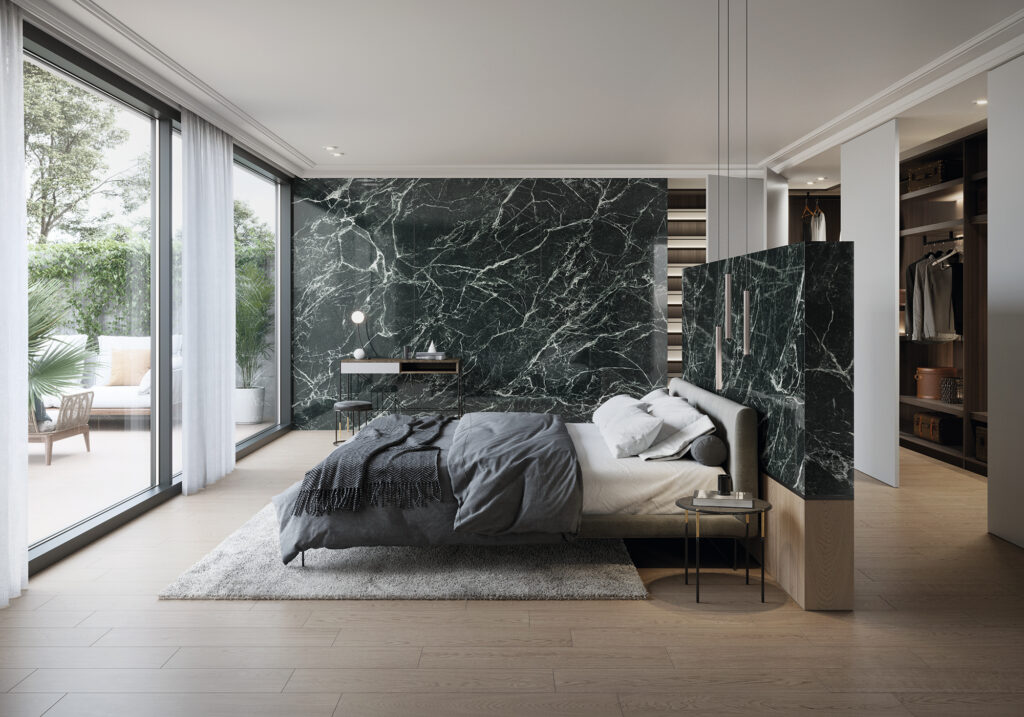
For decades, architects and interior designers in Kenya have leaned on a familiar shortlist of premium surfaces: marble for its prestige, granite for its toughness, quartz for its consistency. Each comes with trade-offs; marble stains and etches, granite needs sealing, quartz can scorch under a hot pan. Xtone, Porcelanosa’s large-format sintered stone, was developed to remove those trade-offs altogether, and it’s quickly becoming a specification of choice for architects designing high-end residential, commercial, and hospitality projects across East Africa.
At Furniture International, we’re proud to bring Xtone to the Kenyan market, supplying and specifying this surface for kitchens, bathrooms, cladding, flooring, and bespoke furniture applications.
What Exactly Is Xtone?
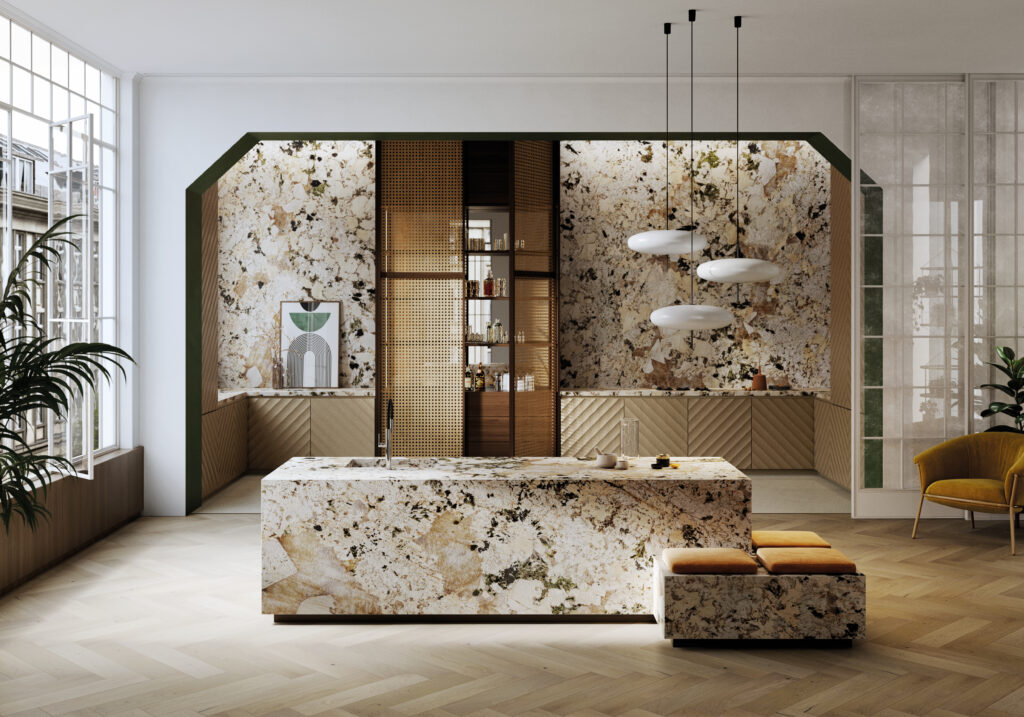
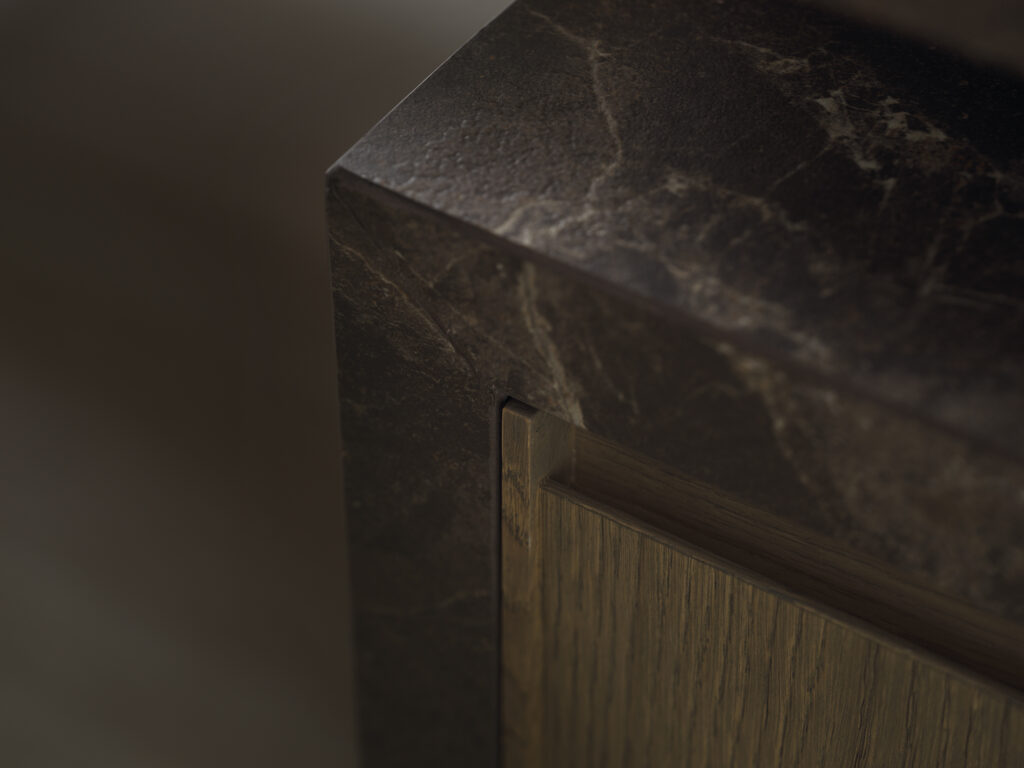
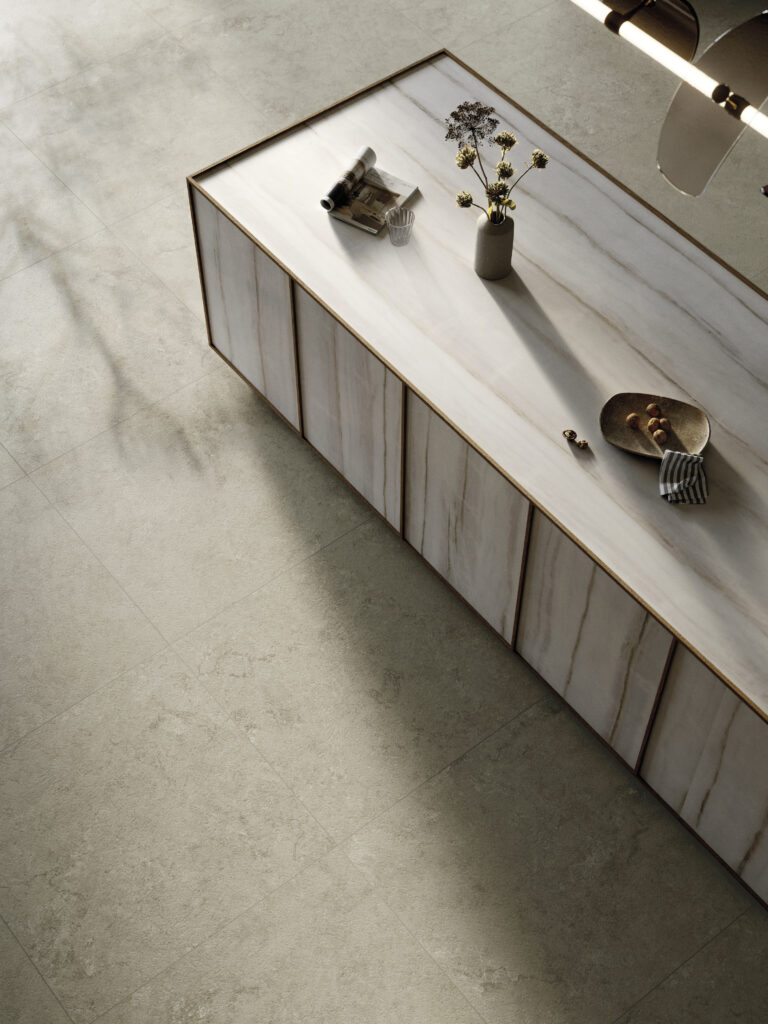
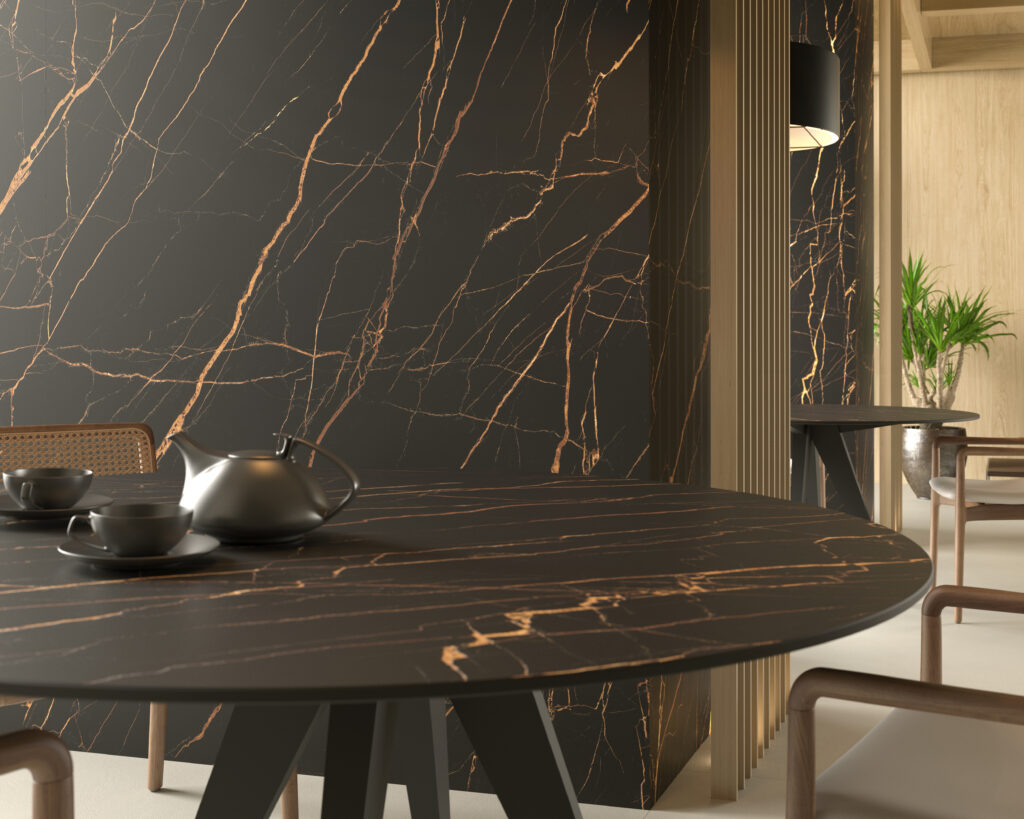
Xtone is manufactured using sintered stone technology: natural minerals are compacted and fused under extreme heat and pressure, producing a dense, non-porous slab that behaves more like engineered ceramic than traditional stone. The result is a surface that performs more like an industrial material than a decorative one, while still delivering the aesthetics architects want—marble veining, concrete textures, or clean monochrome finishes, all in large-format slabs that minimise visible seams.
Why It Matters for Specification
For architects and designers, the appeal of Xtone comes down to performance characteristics that are difficult to find combined in a single material.
Exceptional durability. Xtone resists heat, scratches, stains, and UV exposure far better than natural stone or quartz. It won’t discolour from prolonged sun exposure, which makes it suitable for both interior and exterior applications—a genuine advantage in Kenya’s climate, where outdoor kitchens, pool surrounds, and sun-exposed cladding are common in residential and hospitality projects.
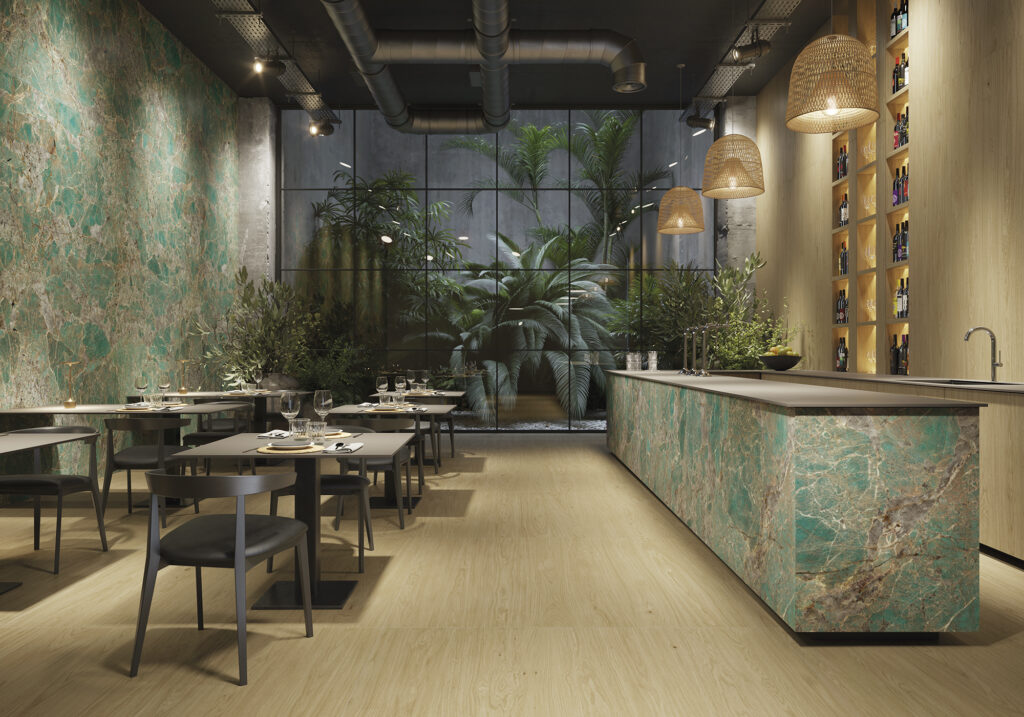
Non-porous and low-maintenance. Because the surface is sintered rather than porous, it doesn’t absorb liquids or harbour bacteria, and it doesn’t require sealing. For commercial kitchens, hotel bathrooms, or high-traffic retail counters, that translates into lower long-term maintenance costs and a more hygienic surface for food-contact areas.
Structural and design flexibility. Xtone is produced in large-format slabs, which means fewer joints across long countertops, feature walls, and flooring runs. It’s also lighter than natural stone, easing the structural load on cabinetry and substructures—a practical consideration when working with locally fabricated joinery.
A genuine alternative to natural stone aesthetics. Many designers want the visual depth of marble without its maintenance burden. Xtone’s marble-, concrete-, and stone-effect finishes give architects that look with none of the porosity or staining risk.
Application Across Project Types
Xtone’s versatility is what makes it interesting beyond the kitchen countertop. We’re specifying it for:
- Residential kitchens and bathrooms — worktops, splashbacks, and vanity tops that resist daily wear without sealing or special cleaning products
- Hospitality projects — reception counters, bar tops, and bathroom surfaces in hotels and restaurants, where durability under constant use is non-negotiable
- Commercial and office fit-outs — feature walls, reception desks, and breakout area surfaces that need to look premium for years, not months
- Façades and cladding — UV and weather resistance make it suitable for exterior applications in a way few engineered surfaces can match
Specifying Xtone in Kenya
As more architects and interior designers in Nairobi and beyond look for surfaces that combine high-end aesthetics with genuine performance data, Xtone is filling a gap between natural stone and standard engineered quartz. Working with a local supplier who understands both the material and the practicalities of sourcing, fabrication, and installation in the Kenyan market makes the specification process considerably smoother.
If you’re working on a project where surface performance, longevity, and design impact all matter, we’d welcome the chance to talk through Xtone’s collections, finishes, and application options with your team.