
Ergonomics has moved from a “nice to have” line item to a baseline expectation in office design briefs. Clients no longer ask whether a workspace should support employee wellbeing, they ask how. For architects and interior designers specifying furniture for corporate clients in Kenya, that shift means ergonomic performance now sits alongside aesthetics and budget as a core specification criterion.
Why Ergonomics Is No Longer Optional
The case for ergonomic furniture has always rested on health outcomes, reduced musculoskeletal strain, fewer repetitive injury complaints, better posture. What’s changed is that organisations now treat this as a productivity and retention issue as much as a health one. Poorly specified furniture contributes to discomfort, fatigue, and disengagement; well-specified furniture supports sustained focus across a working day. As hybrid work patterns mean employees spend fewer days in the office, those days need to be physically sustainable, which has pushed adjustability from a specialist feature to a standard requirement.
What Good Ergonomic Specification Actually Covers
Ergonomic furniture specification goes well beyond choosing a chair with lumbar support. A few areas deserve particular attention when briefing or selecting furniture for a project:
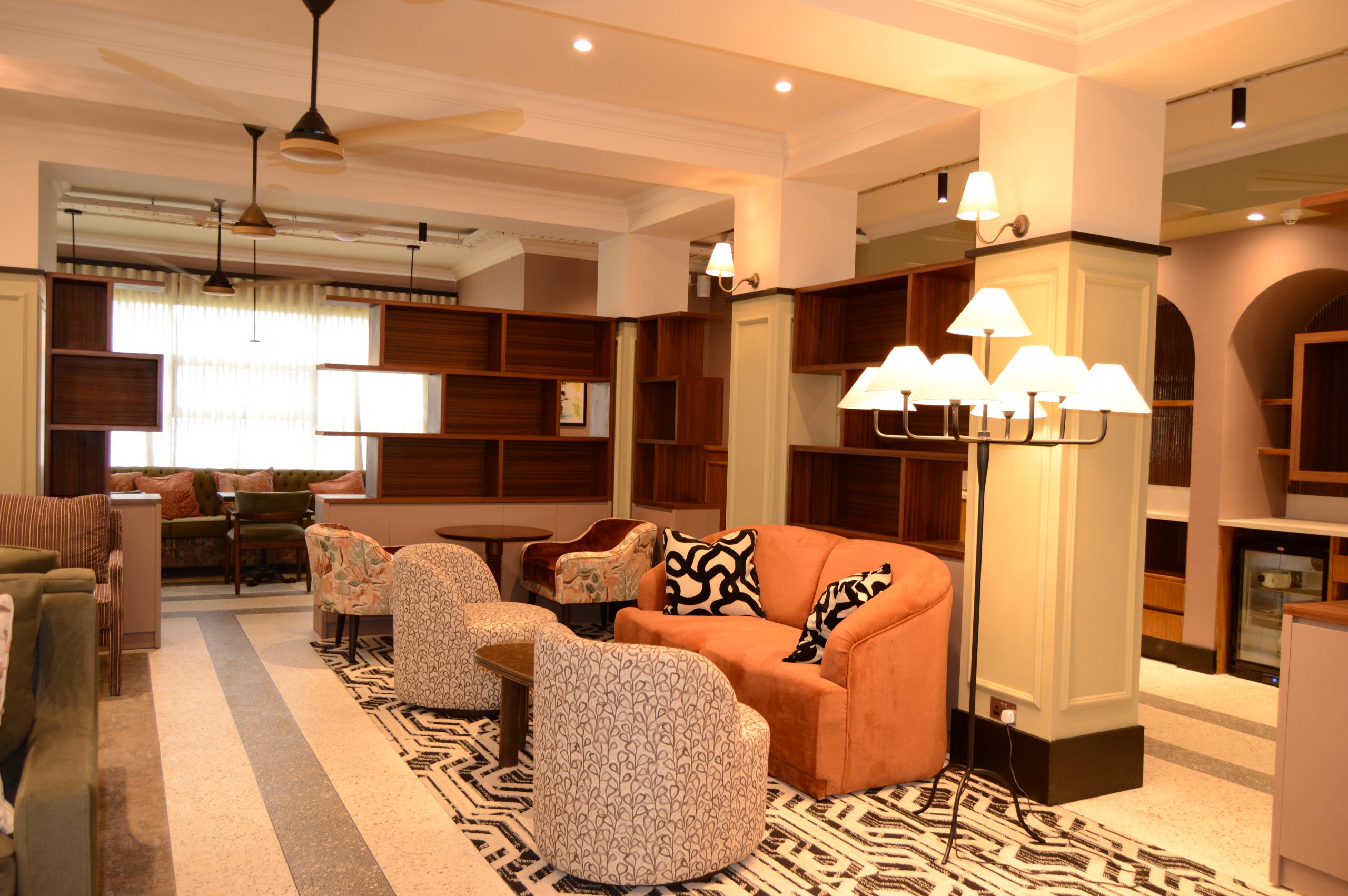
Seating as a system, not a single product. Rather than specifying one chair type across a floor, designers are increasingly treating seating as a system. Task chairs for desk work, focus seating for solo concentration, lounge seating for informal collaboration, and perching stools for short, transitional tasks. Each supports a different posture and cognitive mode.
Height-adjustable desks as standard, not premium. Sit-stand desks were once reserved for executive offices or accommodation requests. They are now a baseline expectation in well-specified fit-outs, supporting movement throughout the day rather than locking employees into a single static posture.
Monitor and sightline geometry. Desk depth, monitor placement, and sightlines across a floor plate all affect neck and eye strain. This is particularly relevant in open-plan layouts, where furniture geometry has to do more work to support good posture without the benefit of enclosed, individually configured offices.
Inclusive sizing and weight ranges. Specifying furniture that accommodates a genuine range of body types not just a default “average” user is increasingly part of a considered ergonomic brief, particularly for chairs and adjustable desking.
Power and cable management integrated at the furniture level. As laptops, monitors, and personal devices multiply at each desk, ergonomic specification now extends to where power and cabling sit, so desks don’t become tangled or unsafe.
Reference Points for Specification
International standards offer useful benchmarks even where local certification isn’t mandatory. BIFMA’s furniture dimension and safety standards (X5 and X10 series) and BS EN 1335 for office seating ergonomics are commonly referenced by manufacturers and specifiers internationally, and they’re a useful checklist when evaluating supplier claims about adjustability, weight capacity, and structural durability.
Specifying for Kenyan Corporate Clients
For architects and designers working on office fit-outs in Nairobi and across Kenya, ergonomic specification is also a differentiator in client conversations. Corporate clients are increasingly aware of the link between workplace comfort and staff retention, and a furniture specification that demonstrably addresses ergonomics signals a more considered design process overall.
At Furniture International, we work with design teams to specify and manufacture office furniture that meets these performance expectations without compromising on the aesthetic intent of the project. If you’re developing a brief that needs to balance ergonomic rigor with design vision, we’re happy to talk through options.
Share This Post!
Recent Post
-
07 Jul 2026Custom Solid Wood Dining Tables: A Buyer’s Guide for Kenyan Homes and Offices
-
07 Jul 2026Ergonomic Furniture Design: Specifying for Health and Productivity
-
07 Jul 2026How to Choose the Right Office Fit-Out Partner in Kenya
-
07 Jul 2026Xtone by Porcelanosa: Why Architects Are Specifying Sintered Stone for Kenyan Interiors
Subscribe Now!
Stay updated with the latest interior design insights and trends. Receive expert tips directly to your inbox.
- Work With Us
Start Your Project with Clarity
Share your brief, BOQ, drawings, or inspiration. We will advise the right solution, finishes, and a realistic delivery timeline for your space.

Office fit-outs, kitchens and wardrobes, doors, and architectural fittings, delivered with one accountable partner: Furniture International.
© Furniture International 2026- Powered by Archer Digital